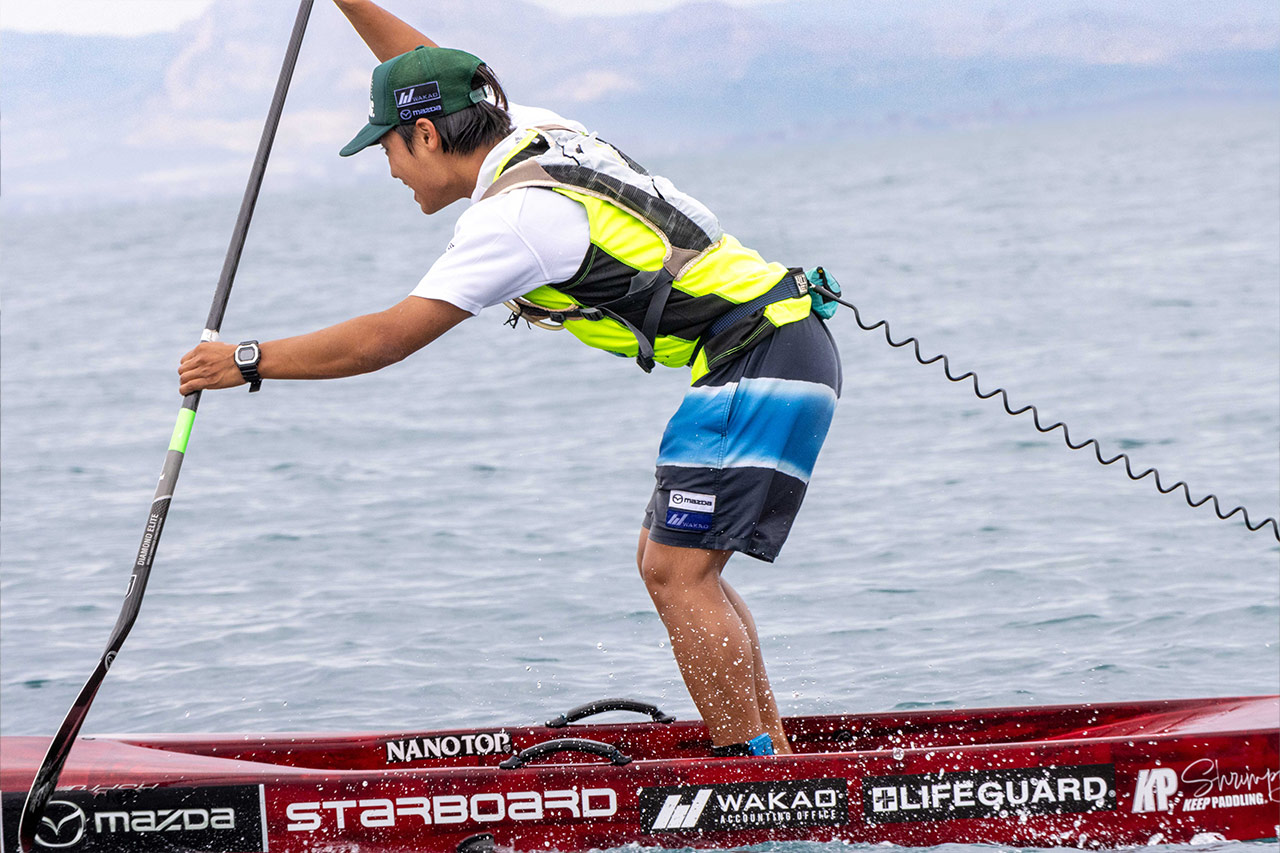
Does paddling harder always mean going faster? The Starboard KATANA focuses on the rhythm of short, rapid strokes linked together. From its tail shape to the standing area, its design is built around that rhythm.
A continuous rhythm, not just one powerful pull
Stroke length and rhythm are a useful starting point for understanding the KATANA. Shuri Araki links short strokes rapidly rather than drawing out each pull. Starboard’s white paper describes his stroke as 40–50cm. This illustrates his technique; it is not a target length that every paddler should copy.
40–50cm describes Shuri’s stroke. It is not a universal recommendation.
What the narrow tail does
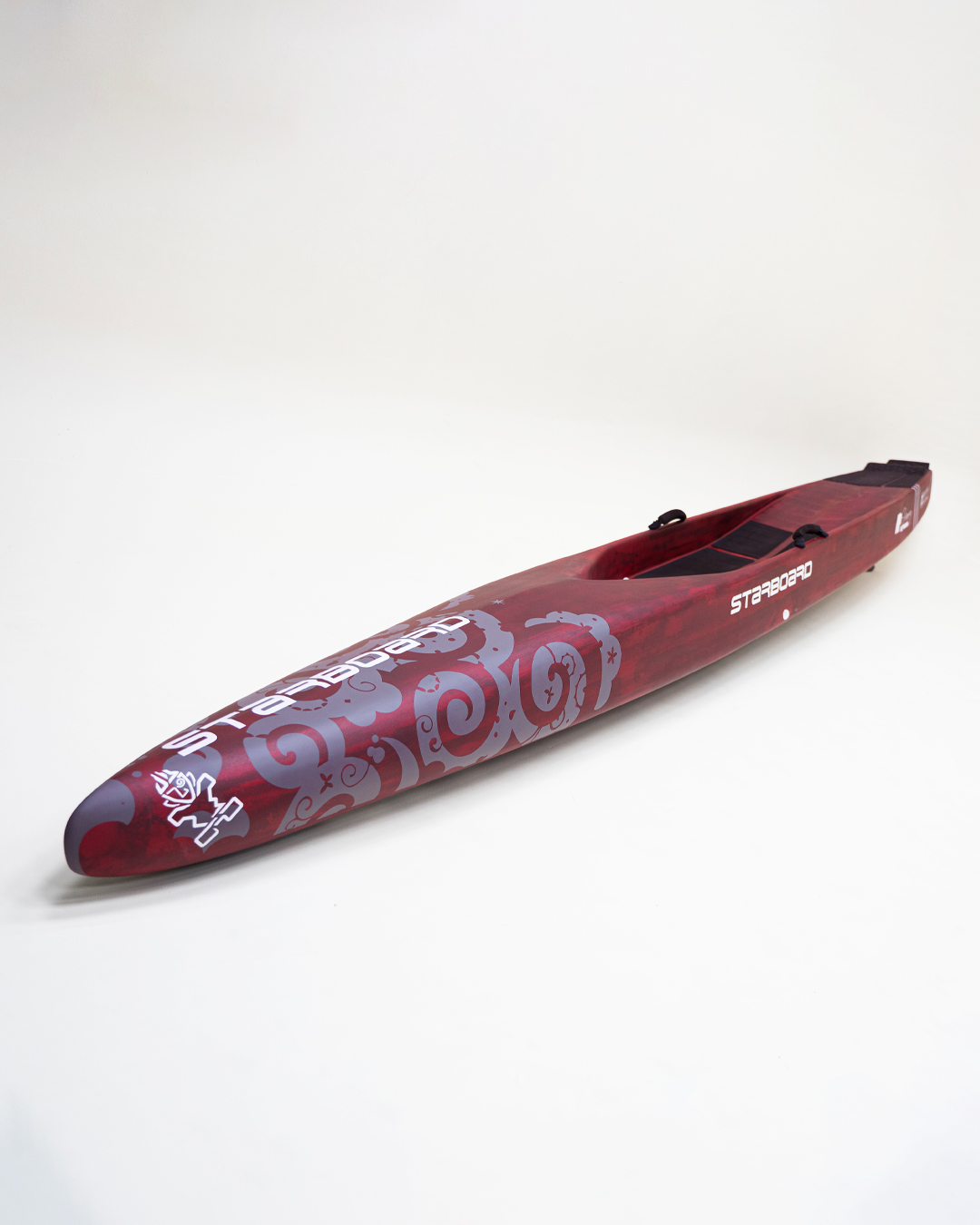
Shuri and his father and coach, Takuji Araki, developed a shape to suit this rhythm. The Narrow Box Tail gives the rear of the board a narrow, box-shaped profile. Its design connects the tail’s downward movement and recovery with rapid strokes. When engaged in the water, the sharp tail rails help with tracking and stability. The tail’s vertical movement and the rails’ directional control play different, complementary roles.
Foot-position cues for a rapid rhythm
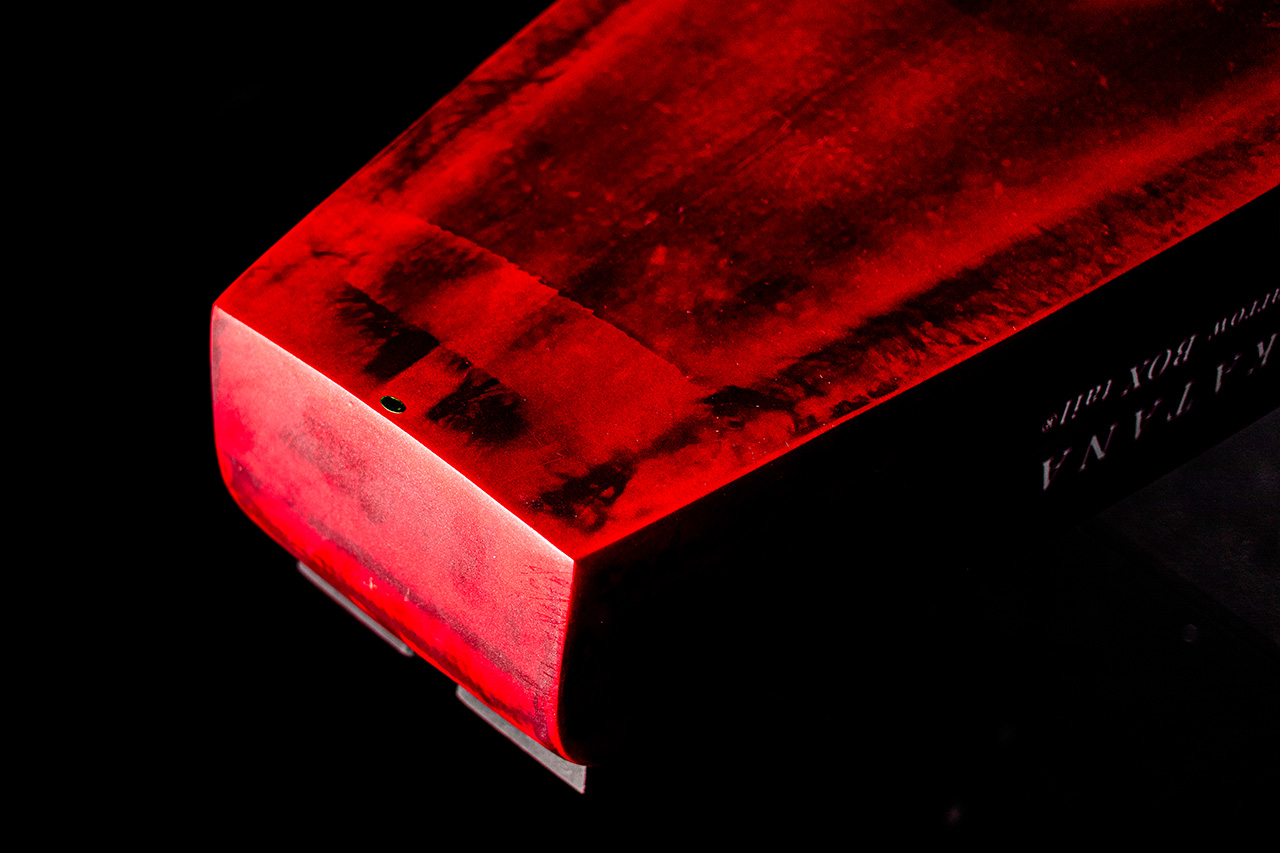
The KATANA’s cockpit pad is divided into two areas. The gap between them provides a tactile reference, helping riders feel their foot position without looking down. It is useful when stepping slightly back or adjusting stance as water conditions change.
Who is the KATANA designed for?
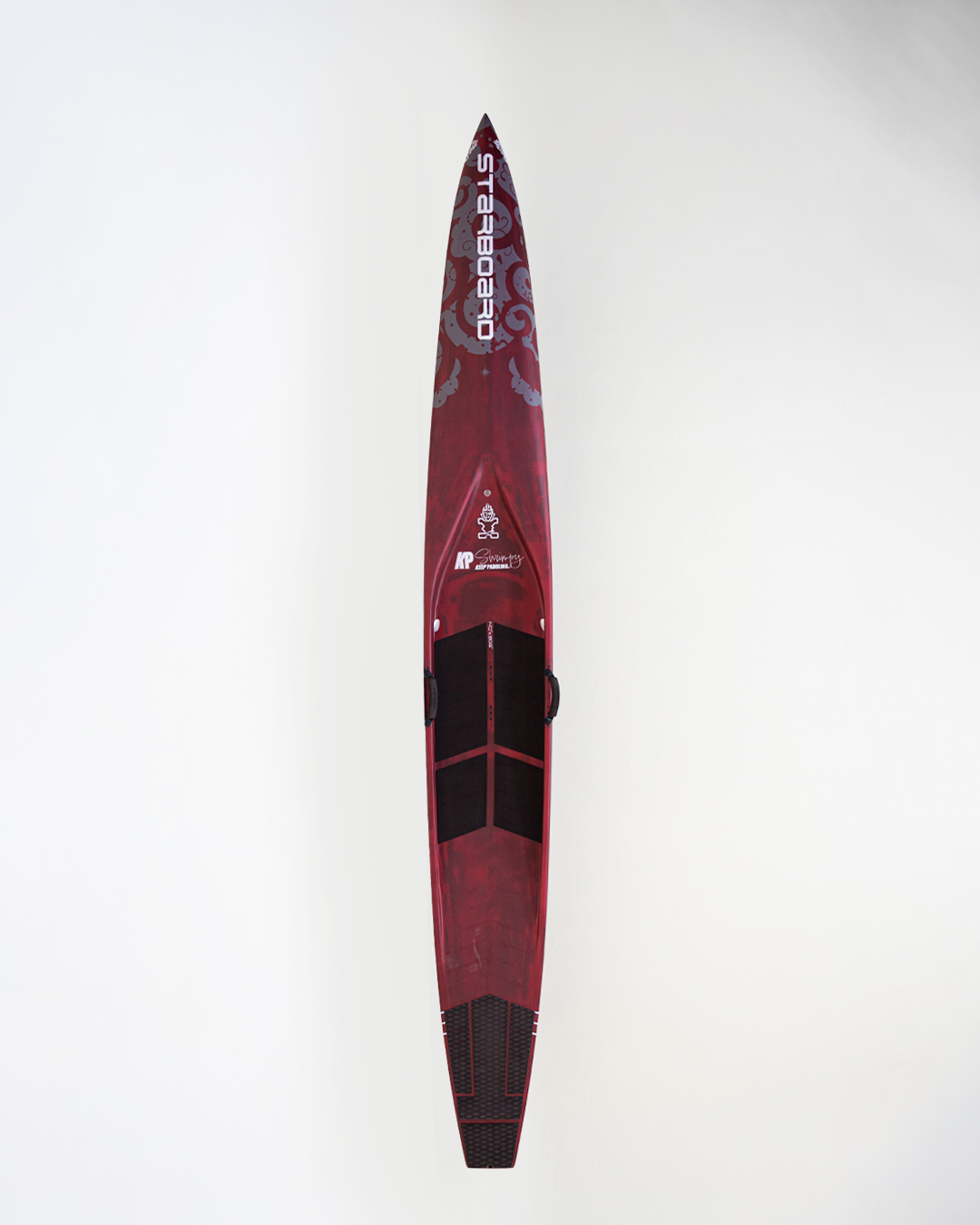
The KATANA focuses on elite racing that makes use of a narrow platform and high cadence. Consider your balance, paddling conditions and familiar stroke rhythm together. The accompanying Korean-language video uses riding footage, detail photographs and simple diagrams to explore the relationship between tail movement and foot position.